What Tuckpointing Is and Why It’s Critical for Commercial Buildings
Commercial tuckpointing involves repairing and restoring brickwork to improve building stability and appearance, with local contractors ready to handle this essential maintenance.
If you're exploring what tuckpointing is and why it’s critical for commercial buildings, you’re in the right place. Tuckpointing is a specialized masonry repair process that involves removing damaged or deteriorated mortar and replacing it to restore the integrity and appearance of brickwork. For property owners in the area, understanding this service can be essential for maintaining the structural soundness and aesthetic appeal of commercial properties, especially those with historic or exposed brick facades. Local contractors who offer expert tuckpointing services can help identify issues early and provide effective solutions to prevent more costly repairs down the line.
Maintaining the condition of brick exteriors is a practical concern for many commercial property owners. Over time, weather, pollution, and general wear can cause mortar joints to weaken or crumble, potentially leading to water intrusion or structural problems. Engaging with experienced local service providers ensures that tuckpointing work is performed correctly, helping to preserve the durability and value of commercial buildings. As you continue reading, you’ll find useful insights into how tuckpointing works and why partnering with skilled professionals is a smart step toward protecting your investment.
- Commercial tuckpointing - when brickwork shows signs of deterioration or mortar damage, local contractors can assess and restore the structural integrity of the building.
- Facade repair - if a commercial building’s exterior mortar joints are cracked or crumbling, service providers can perform tuckpointing to prevent further damage and maintain appearance.
- Historic building restoration - for older commercial structures, local pros specialize in tuckpointing techniques that preserve original brickwork while improving durability.
- Waterproofing and sealing - when mortar joints are compromised, tuckpointing helps prevent water infiltration, and local contractors can apply protective treatments during the process.
- Building maintenance - regular inspections revealing mortar deterioration can be addressed with tuckpointing to extend the lifespan of commercial brick exteriors.
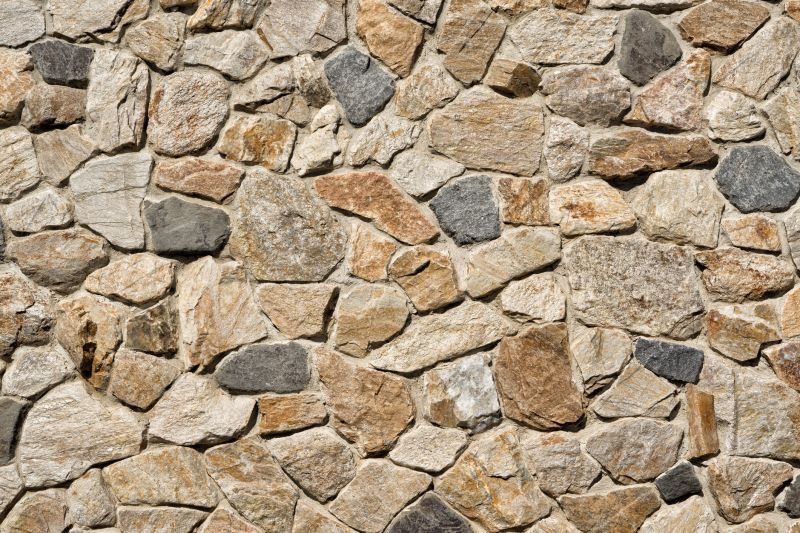
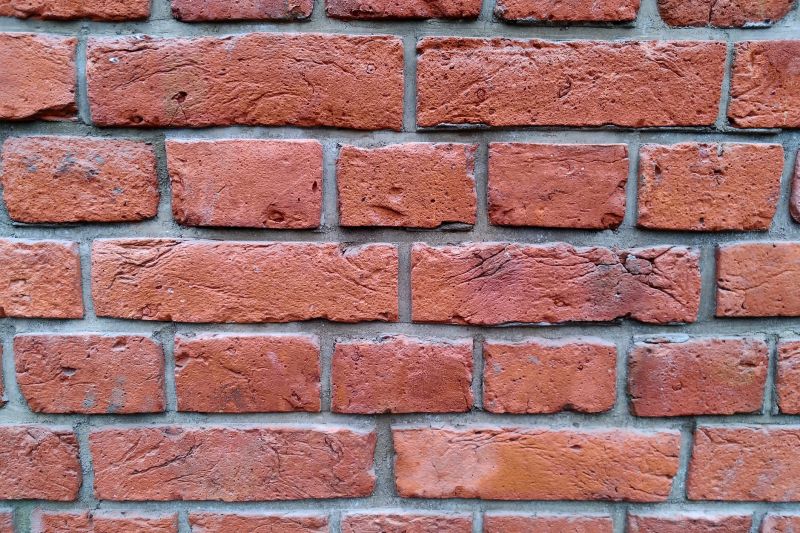
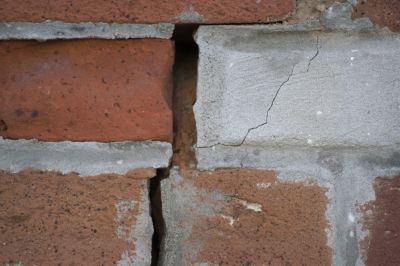
Tuckpointing is a specialized masonry repair technique that involves removing and replacing deteriorated mortar joints between bricks or stones in a building’s exterior walls. When people search for what tuckpointing is and why it’s critical for commercial buildings, they often want to understand how this process helps maintain the structural integrity and appearance of their property. Over time, weather exposure and age can cause mortar to crack, crumble, or fall out, which not only affects the building’s look but can also lead to more serious issues like water infiltration and structural weakening. Commercial buildings, such as office complexes, retail centers, and industrial facilities, typically have large brick or stone exteriors that require regular maintenance to prevent these problems from escalating.
The importance of tuckpointing for commercial properties relates directly to preserving the longevity and safety of the building. When mortar joints deteriorate, it creates gaps that allow moisture to seep into the wall system, potentially causing damage to the underlying structure and fostering mold or mildew growth. This process is often part of a larger plan for building maintenance or renovation, especially when preparing a property for sale or lease, or simply aiming to extend its lifespan. Property owners and managers often seek out professional tuckpointing services to address these issues proactively, avoiding costly repairs down the line. It’s a key step in ensuring the exterior remains weather-tight and visually appealing, which can influence the overall value and reputation of the property.
The types of properties that typically come up in discussions about tuckpointing include commercial buildings with brick or stone facades, such as office towers, shopping centers, warehouses, and multi-family apartment complexes. These structures usually have extensive exterior walls that are exposed to the elements and therefore more prone to mortar deterioration. Older buildings, in particular, are common candidates for tuckpointing, as their mortar may have aged or been poorly maintained over the years. Additionally, new construction projects sometimes require tuckpointing during the finishing phases to ensure a uniform, professional appearance. Local contractors who specialize in commercial tuckpointing understand the unique demands of these property types and can help develop tailored maintenance plans to keep exteriors in optimal condition.
For property owners and managers, understanding what tuckpointing is and why it’s critical for commercial buildings reveals how essential it is to work with experienced service providers. These local contractors bring the expertise needed to assess the condition of mortar joints, recommend appropriate repairs, and execute the work efficiently. Proper tuckpointing not only enhances the building’s curb appeal but also strengthens its resistance to weather-related damage. Engaging with specialists ensures that the repair process is handled correctly, maintaining the safety and integrity of the structure for years to come. Connecting with reputable local pros allows property managers to keep their commercial buildings in top shape, safeguarding their investment and ensuring ongoing operational stability.
Masonry Restoration Projects - These projects involve repairing and restoring brick and stone structures, requiring similar skills in matching mortar colors and working with historic materials as seen in tuckpointing for commercial buildings.
Brick Repair and Repointing - Local contractors offering brick repair and repointing services utilize comparable techniques and tools to ensure structural integrity and aesthetic consistency in masonry work.
Facade Restoration - Restoring building exteriors often involves cleaning, repairing, and reconditioning masonry surfaces, paralleling the planning and skillsets used in tuckpointing for commercial properties.
Mortar Joint Repair - This specialized work focuses on fixing deteriorated mortar joints, employing similar methods and attention to detail as tuckpointing to preserve building stability and appearance.
Historic Masonry Preservation - Projects aimed at preserving historic facades require careful matching of materials and techniques, aligning with the skills needed for effective tuckpointing on commercial structures.
Structural Brickwork Reinforcement - Reinforcing or rebuilding brick walls involves precise masonry skills comparable to those used in tuckpointing, ensuring long-term durability of commercial buildings.
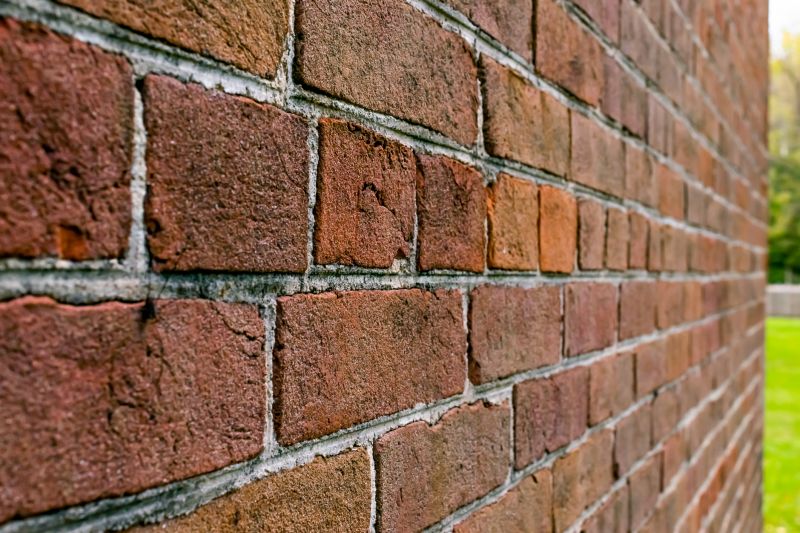
When evaluating commercial tuckpointing services, it’s important to consider a contractor’s experience with similar projects. Tuckpointing involves precise craftsmanship to repair or restore mortar joints, which is especially critical for commercial buildings where structural integrity and appearance matter. Service providers with a proven track record in commercial settings are more likely to understand the unique demands of larger-scale projects and to deliver results that meet both aesthetic and functional standards. Asking about previous work on similar buildings can help ensure the contractor has the necessary expertise to handle the scope and complexity of the job.
Clear written expectations are essential when comparing local contractors for tuckpointing services. A detailed scope of work, including specific tasks, materials, and standards, helps prevent misunderstandings and ensures all parties are aligned. Reputable service providers will typically provide comprehensive proposals that outline what will be done, how it will be executed, and what the project outcomes should be. This clarity supports a smoother process and allows property owners to make informed decisions based on the scope and quality of the proposed work.
Good communication and reputable references further distinguish reliable contractors. Open, transparent communication ensures that questions and concerns are addressed promptly, fostering a collaborative working relationship. Additionally, seeking references from previous clients or reviewing testimonials can provide insights into the contractor’s professionalism, reliability, and quality of work. When a service provider demonstrates clear communication and has positive feedback from past projects, it indicates a higher likelihood of a successful partnership and a satisfactory outcome for the tuckpointing project.
Property owners often search for what tuckpointing is and why it’s critical for commercial buildings when they are planning practical projects around their homes and businesses. Local pros provide Commercial Tuckpointing services for everyday jobs and straightforward project options.
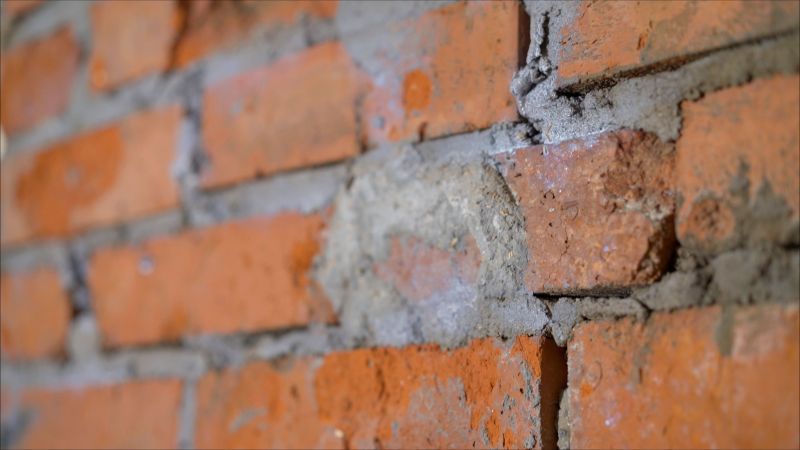
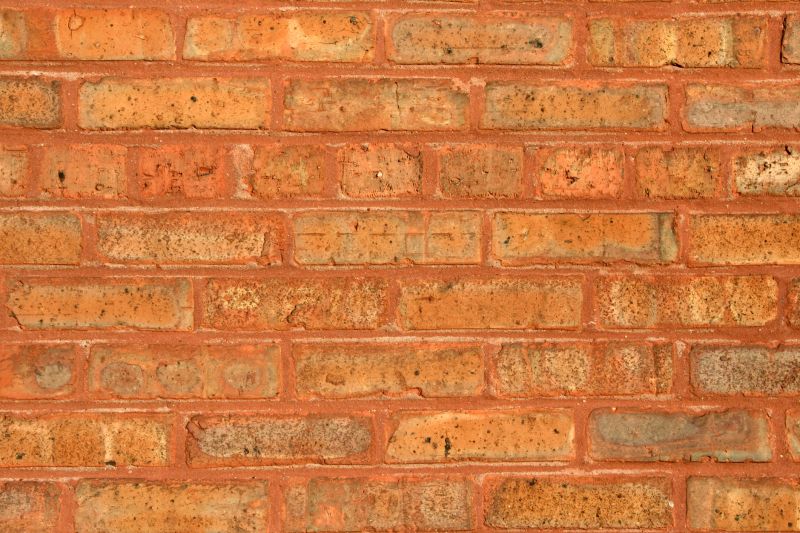
Understanding what tuckpointing is and why it’s critical for commercial buildings can help property owners recognize the importance of maintaining their structures. Over time, the mortar between bricks can deteriorate due to weather exposure and age, leading to cracks and gaps that compromise the building’s stability and appearance. When property owners notice crumbling mortar or signs of wear on their exteriors, they often seek out local contractors who specialize in tuckpointing to restore the integrity and aesthetic of their commercial properties. These professionals can assess the condition of the masonry and perform essential repairs to prevent further damage.
Choosing to work with experienced service providers for tuckpointing is a practical step in preserving the value of a commercial building. Properly executed tuckpointing not only improves curb appeal but also helps protect the underlying brickwork from water infiltration and structural issues. Property owners who notice issues like crumbling mortar or spalling bricks might look into local contractors who offer tuckpointing services to address these problems efficiently. Connecting with knowledgeable professionals ensures the repairs are done correctly, supporting the long-term durability of the building’s exterior.
What is tuckpointing and how does it relate to commercial buildings? Tuckpointing is a masonry repair technique that involves removing damaged mortar and replacing it to restore the integrity of brick or stone walls, which is essential for maintaining the durability and appearance of commercial buildings.
Why is tuckpointing important for the structural health of commercial properties? Proper tuckpointing helps prevent water infiltration, freeze-thaw damage, and deterioration of masonry, ensuring the long-term stability and safety of commercial buildings.
How do local contractors perform tuckpointing on commercial structures? Skilled service providers carefully remove compromised mortar, match new mortar to existing joints, and apply it precisely to preserve the building’s appearance and structural soundness.
Can tuckpointing help prevent costly repairs for commercial buildings? Yes, timely tuckpointing addresses minor issues before they become major problems, helping to extend the lifespan of masonry and reduce future repair expenses.
What should property owners consider when choosing a commercial tuckpointing service? It’s important to select experienced local contractors who understand the specific needs of commercial masonry and can deliver quality workmanship to protect the building’s value.
Assessing brickwork integrity - Regularly inspecting the condition of brick mortar can help property owners identify areas needing tuckpointing to prevent further damage.
Prioritizing building maintenance - Including tuckpointing in routine upkeep plans ensures commercial buildings maintain their structural appearance and stability.
Choosing professional services - Engaging with local contractors experienced in tuckpointing can ensure that repairs are durable and match the building’s style.
Preventing water damage - Applying tuckpointing techniques can help property owners protect their buildings from moisture infiltration and related issues.
If you are thinking about what tuckpointing is and why it’s critical for commercial buildings for a property, this guide is meant to help you understand this topic, the typical project types, and how different options might fit your plans.
When you are ready, you can use the quote form on this page to share a few details about your project. From there, local pros can review the basics and follow up with options that match what you have in mind.